

Detailed explanation of the mechanism of epigenetic action in Yuanda Biology
 2026-04-30 10:33:26
 Page views: 117
  Author: 小编
2026-04-30 10:33:26
Author: 小编
In 2013, the concept of "Postnatal Elements" was first proposed by Spaniards, and since then, a large number of researchers have entered the door of Postnatal Elements; In 2018, the international food journal "Trends in Food Science&Technology" pointed out that the emergence of emerging elements will lead the global health industry into the next stage of industrial innovation; In 2020, the Chinese Society for Food Science and Technology released the "Top Ten Hotspots in Probiotic Science Research", with "Probiotics and Postbiotics/Epibiotics" ranking seventh. They also stated that Postbiotics/Epibiotics have stronger tolerance and stability to the physiological environment and production processing conditions of the gastrointestinal tract, and have good application prospects.
After 8 years of continuous fermentation and maturation, the International Society for Probiotics and Prebiotics (ISAPP) finally defined in 2021 that prebiotics are preparations of non living microorganisms and/or their components that are beneficial to host health, rather than purified microbial metabolites and vaccines.
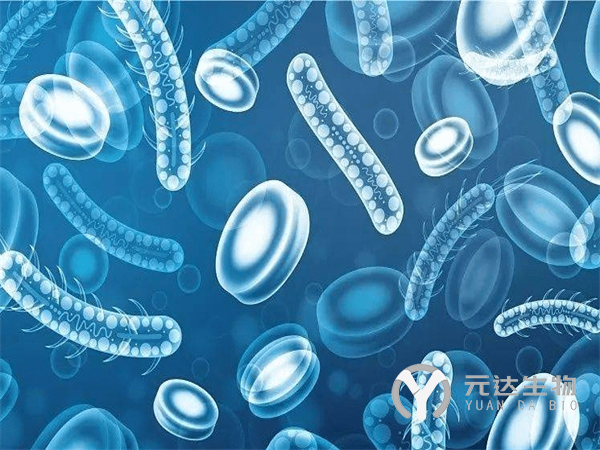
Due to its lifeless nature, the stability and flexibility of prebiotics are superior, making it widely applicable. Although compared to probiotics, prebiotics are far behind in terms of starting time and research quantity, the academic and industrial communities are still fascinated by them. The industry even regards prebiotics as the fourth generation of microbial ecological products after probiotics, prebiotics, and synbiotics.
So how does the primordial element function? Today, Yuanda Biology will explain the mechanism of action of epigenetic elements for everyone.
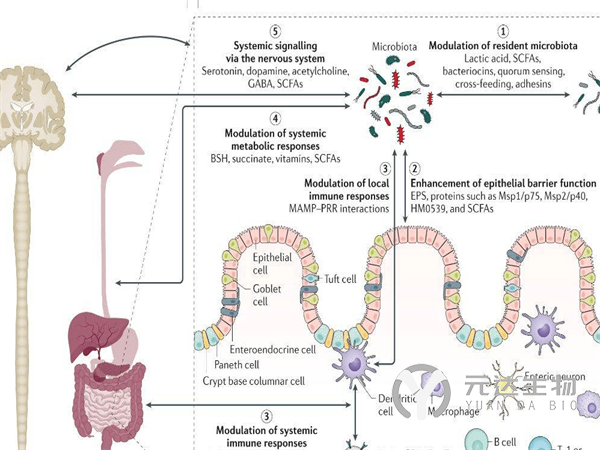
In fact, the health benefits exerted by epigenetics may be driven by many different mechanisms. In some cases, these mechanisms may be similar to the known mechanisms of action of probiotics. These mechanisms can work independently or in combination, mainly including the following five types: (1) beneficial regulation of the microbiome; (2) Enhance epithelial barrier function; (3) Regulation of immune response; (4) Regulating systemic metabolism; (5) Send signals through the nervous system.
So, how do these mechanisms specifically affect the health of the body? What are the secondary elements involved? The following will elaborate one by one.
Mechanism 1
Beneficial regulation of the microbiome
Although the impact of epigenetic elements on the microbiome may be temporary, they may still play important roles. In vivo studies have shown that molecules in the extracellular matrix, such as lactic acid and bacteriocins, have antibacterial activity. Postbiotics can also indirectly regulate the microbiome, for example, there may be quorum sensing and quorum quenching molecules present in them; Some microorganisms in the gut can utilize the lactic acid carried in the epigenetics to produce beneficial short chain fatty acids (SCFAs) and butyrate salts. If, after processing, the epigenetic elements still contain intact adhesins (such as pili and lectins), then the epigenetic elements can also compete with resident microorganisms for adhesion sites.
Mechanism 2
Enhance epithelial barrier function
Secreted proteins can mediate the enhancement of epithelial barrier function, such as major secreted proteins Msp1/p75 and Msp1/p40, or protein HM0539 from probiotic Lactobacillus rhamnosus GG. In addition, extracellular polysaccharides extracted from bifidobacteria, for example, can reduce inflammation through unclear signaling mechanisms to promote barrier function.
After 2 years of research and development, Yuanda Biotechnology screened different probiotic strains and identified 5 types of probiotics with skincare functions. Through the fermentation of these 5 types of probiotics, 8 organic acids, 5 short chain fatty acids, 11 amino acids and small peptides, as well as 29 high concentration and high activity metabolites with skincare effects (such as peanut acid, caffeic acid, vitamin B2, isostearic acid, etc.) were detected in the post biotics. Through clinical trials with more than 300 people, and based on phenotype analysis and skin microbiota analysis, it was found that the post biotics have a significant effect on improving skin oiliness, sensitivity, reducing inflammation and pigmentation, reducing skin acne, and increasing skin microbiota diversity compared to ordinary skincare ingredients. The post biotics Bilantera was also developed
Subsequently, Yuanda Biotechnology conducted extensive research in the field of oral treatment and developed the epigenetic Probio MT.
Through in vitro experiments and human clinical verification, the epigenetic Probio MT has significant inhibitory effects on oral pathogens such as Streptococcus mutans, Porphyromonas gingivalis, Klebsiella pneumoniae, and Actinobacillus actinomycetes, and can be used as an adjuvant therapy for oral diseases.
Mechanism 3
Regulation of immune response
The local and systemic immune regulatory activities are usually mediated by the interaction between microbial related molecular patterns and specific pattern recognition receptors of immune cells, leading to the expression of various cytokines and immune modulators.
Currently, through molecular interaction studies and animal model validation, multiple microbial related molecular patterns have been identified to interact with specific immune receptors
Lipoteichoic acid interacts with TLR2 or TLR6;
Peptidoglycans or their derived peptides interact with NOD2;
Pili and cilia can regulate TLR2 signaling;
The flagella mainly interact with TLR5;
CpG DNA interacts with TLR9;
• Lipopolysaccharides derived from Gram negative bacteria (such as Escherichia coli Nissle) mainly interact with TLR4 and sometimes TLR2;
β - glucan in yeast (such as brewing yeast) interacts with TLR2 and lectin immune receptors;
Lipoproteins mainly interact with TLR2.
If not disrupted or altered by the inactivation process, these molecular patterns related to microorganisms may also exist in the epigenetics. Studies have shown that some lysates from Gram positive and Gram negative bacteria can interact with TLR4 and TLR2.
In addition, it has been reported that metabolites such as lactate can mediate immune responses through GPR31-dependent dendritic processes in intestinal CX3CR1+cells. Similarly, indole, a tryptophan derivative produced by Lactobacillus reuteri, can activate the aromatic hydrocarbon receptors of CD4+T cells in the mouse intestine, inducing their differentiation into CD4+CD8 α -+double positive epithelial lymphocytes.
There may be other immune regulatory microbial metabolites present in the epigenetics, including histamine, branched chain fatty acids, and SCFA (which have been shown to affect many immune responses, including inhibition of NF - κ B).
Through extensive research and clinical trials on animals and pets, Yuanda Biotechnology has developed the post-operative Health-A6, which can be applied to animal and pet feed.
Postnatal element Health-A6 has been clinically validated in a large number of animals and pets, and can effectively improve animal diarrhea, increase beneficial bacteria in the intestine, and inhibit pathogenic bacteria; Improve animals' ability to absorb nutrients, enhance their growth performance and immunity. In addition, it has significant effects in improving oral cavity, odor of excrement, and enhancing the color of pet hair.
Mechanism 4
Regulate systemic metabolism
The impact of epigenetic elements on systemic metabolic reactions can be directly mediated by the inactivation of metabolites or enzymes inside and on the surface of microorganisms.
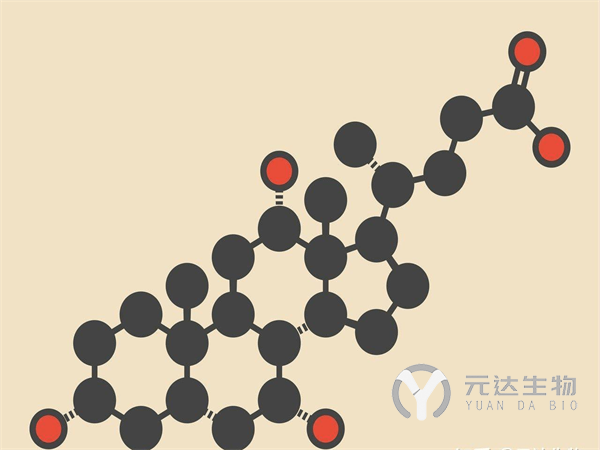
An example is bile salt hydrolase (BSH). This microbial enzyme is responsible for the dissociation of bile acids, enabling further biotransformation of microorganisms and diversifying the bile acid pool circulating in the system. BSH is mainly expressed in the cytoplasm of microorganisms, but extracellular forms have also been observed, and its activity has been confirmed in the filtered supernatant of probiotic Lactobacillus acidophilus. Moreover, studies have shown that the loss of BSH makes people more susceptible to recurrent Clostridium difficile infections, and restoring the activity of this enzyme through fecal microbiota transplantation has been shown to help treat this infection.
Another example is succinic acid (an intermediate product of carbohydrate fermentation by bacteria). Succinic acid is a substrate for intestinal gluconeogenesis and has been found to improve blood glucose regulation in mice.
Other known host metabolic regulators include microbiota derived vitamins and SCFAs. Propionic acid can improve insulin sensitivity, glucose tolerance, and lipid metabolism; Butyric acid can upregulate the antioxidant glutathione and have a beneficial effect on oxidative stress in the colon of healthy individuals.
Mechanism 5
Sending signals through the nervous system
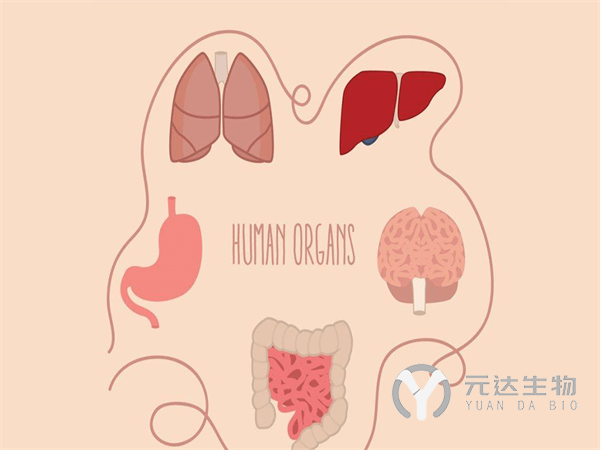
Microorganisms can produce various neuroactive substances that can act on the gut and central nervous system, potentially regulating behavior and cognitive function in both animals and humans. These substances include several neurotransmitters such as serotonin, dopamine, acetylcholine, and gamma aminobutyric acid, as well as various compounds that can bind to receptors expressed in the brain such as indole and bile acids.
Microbial enzymes can also metabolize nutrients for the synthesis of host neurotransmitters (e.g. tryptophan for serotonin synthesis and tyrosine for dopamine synthesis), thereby reducing the bioavailability of nutrients.
In addition, microbial metabolites such as SCFA may also play a role. SCFA can stimulate intestinal chromaffin cells to produce 5-hydroxytryptamine; In human intervention studies, SCFA can improve eating behavior by stimulating the release of anorexigenic hormones; Mouse experiments have shown that acetic acid produced in the intestine can enter the brain and regulate appetite through central metabolic mechanisms. However, further research is needed to determine whether the SCFAs contained in the processed offspring still have the aforementioned benefits.
Vitamins synthesized by bacteria, such as B-complex vitamins (riboflavin, folate, and cobalamin), are also present in probiotic products, so these vitamins may still be retained by prebiotics. Vitamin B has important beneficial effects on central nervous system function. However, there is currently no detailed report on how much of these neuroactive molecules can be retained in the epigenetics.
The above is the explanation of Yuanda Biology on the generation of secondary elements.
Based on profound research accumulation, Yuanda Biotechnology focuses on the development of functional epigenetic materials. In addition to the functional epigenetic materials mentioned in the appeal, Yuanda Biotechnology has also developed a series of epigenetic raw material products such as functional biocorrosive epigenetic material YDDFF3 and plant nutrition epigenetic material Probio plantcare.
Yuanda Biotechnology adheres to the concept of deliciousness, healthiness, and vitality, and takes a mission of a better life. It focuses on the research and development, production, and sales of world-class functional epigenetic raw materials and functional epigenetic terminal products, creating a leading brand in China's functional epigenetic raw materials and functional epigenetic terminal products.
At present, the company has a complete GMP fermentation workshop, research and development laboratory, testing laboratory, product display area, and office area. At the same time, Yuanda Biotechnology and the Special Food Research Institute of Qingdao Agricultural University jointly established the "Probiotics and Postbiotics Basic Research and Development Application Innovation Platform", with Dr. Peng Chuantao, founder of Yuanda Biotechnology, serving as the chief scientist. The research team has led or participated in more than 10 national, provincial, and ministerial level projects in related fields, published over 40 high-level papers in SCI TOP journals, SCI, and EI, authorized over 10 patents, and received 7 awards at or above the provincial and ministerial level. Yuanda Biotechnology will undoubtedly be the leading brand in China's post cellular raw materials and functional post cellular terminal products, building industrial advantages and leading China into the post cellular era.
Contact us for win-win cooperation!
Address: A4 Floor, Blue Bay Entrepreneurship Park, No.1 Jinhui Road, High tech Zone, Qingdao City, Shandong Province
Phone: 0532-55528298 | 0532-55528296
-
 Previous :Shining Sword Out of Sheath, Adhering to Original Aspiration | Postbiotics, a Dark Horse Emerging in the Probiotics Field
 -
Next :Dr. Li Zhaojie, co-founder of Yuanda Biotechnology, has been appointed as the Chief Expert of Qingdao Agricultural Product Quality and Safety Control Expert Station
 Related News

-
青岛市领导调研元达生物
 2026-07-13
 -
科技部部长阴和俊视察上合组织科创中心
2026-07-13
-
元达生物后生元Postbiocare缓解急性酒精性肝损伤研究成果登上国际著名食品期刊
2026-04-22
-
喜报 | 彭传涛教授荣获 2025 年青岛农业大学高质量发展突出贡献奖
2026-03-30
-
2026 FIC | 元达生物惊艳亮相!靶向功能性后生元引领健康新风向
2026-03-20