




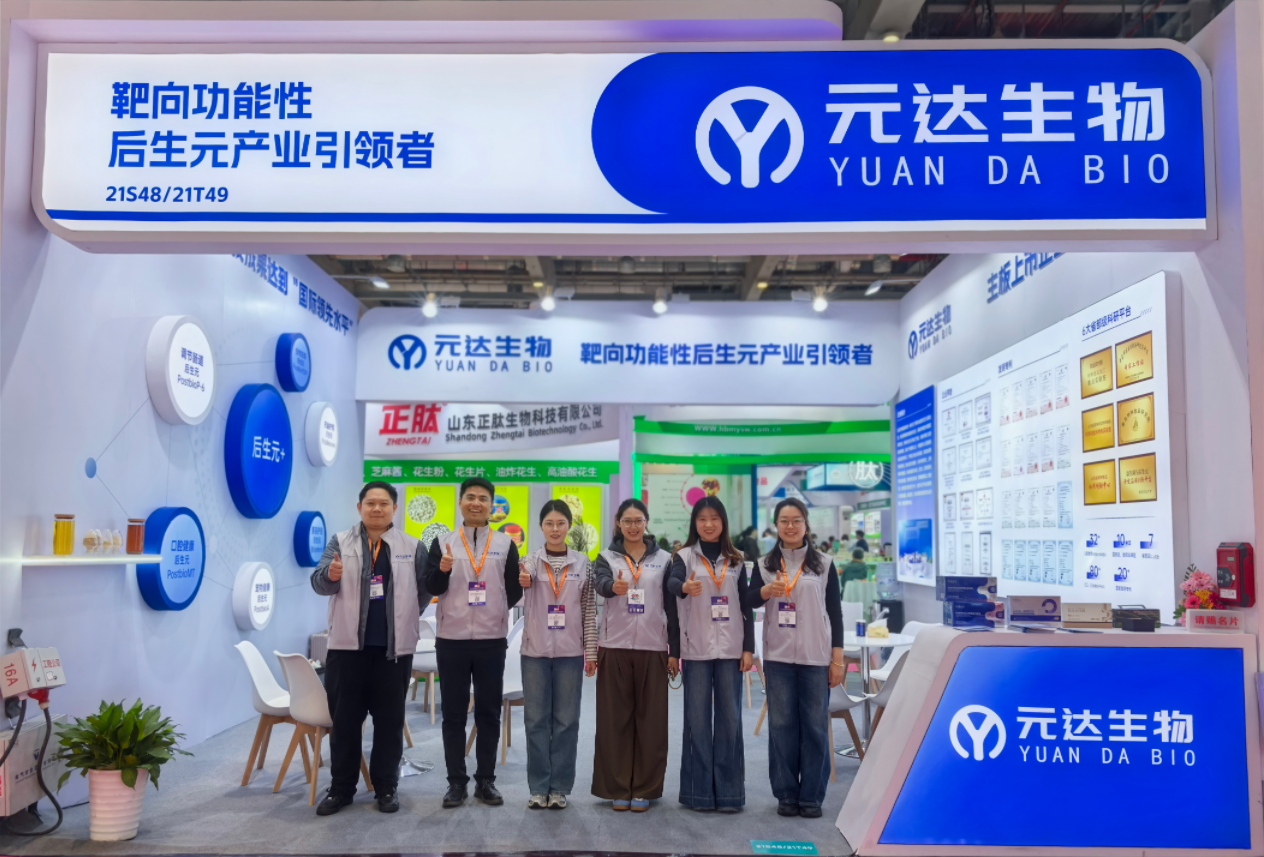
The 29th China International Food Additives and Ingredients Exhibition (FIC2026) was grandly held at the National Convention and Exhibition Center in Shanghai from March 17th to 19th. As the first enterprise in China to focus on targeted functional metagenomics, Qingdao Yuanda Biotechnology Co., Ltd. made a heavyweight appearance with metagenomics raw materials and full scenario application solutions. At booth 21S48/T49 in Hall 2.1, the company had in-depth exchanges with global merchants, fully demonstrating its technological breakthroughs and industrialization achievements in the field of metagenomics.
On March 28, 2026, the 2025 High Quality Development Commendation Conference of Qingdao Agricultural University was successfully held. Peng Chuantao, Chairman of Qingdao Yuanda Biotechnology Co., Ltd. and Professor of Qingdao Agricultural University, was awarded the Outstanding Contribution Award for High Quality Development of Qingdao Agricultural University in 2025 for his outstanding contributions in scientific research innovation, achievement transformation, and industrial leadership.

In 2019, the International Association of Probiotics and Prebiotics Sciences (ISAPP) convened an expert group to review the definition and scope of prebiotics, and recently published a consensus statement in Nature Reviews Gastroenterology and Hepatology, providing an "official" concept of prebiotics for researchers, clinical, industry, regulatory practitioners, and consumers in related fields. In May 2021, ISAPP made another move and published a consensus statement on postbiotics in the journal Nature Reviews Gastroenterology&Hepatology
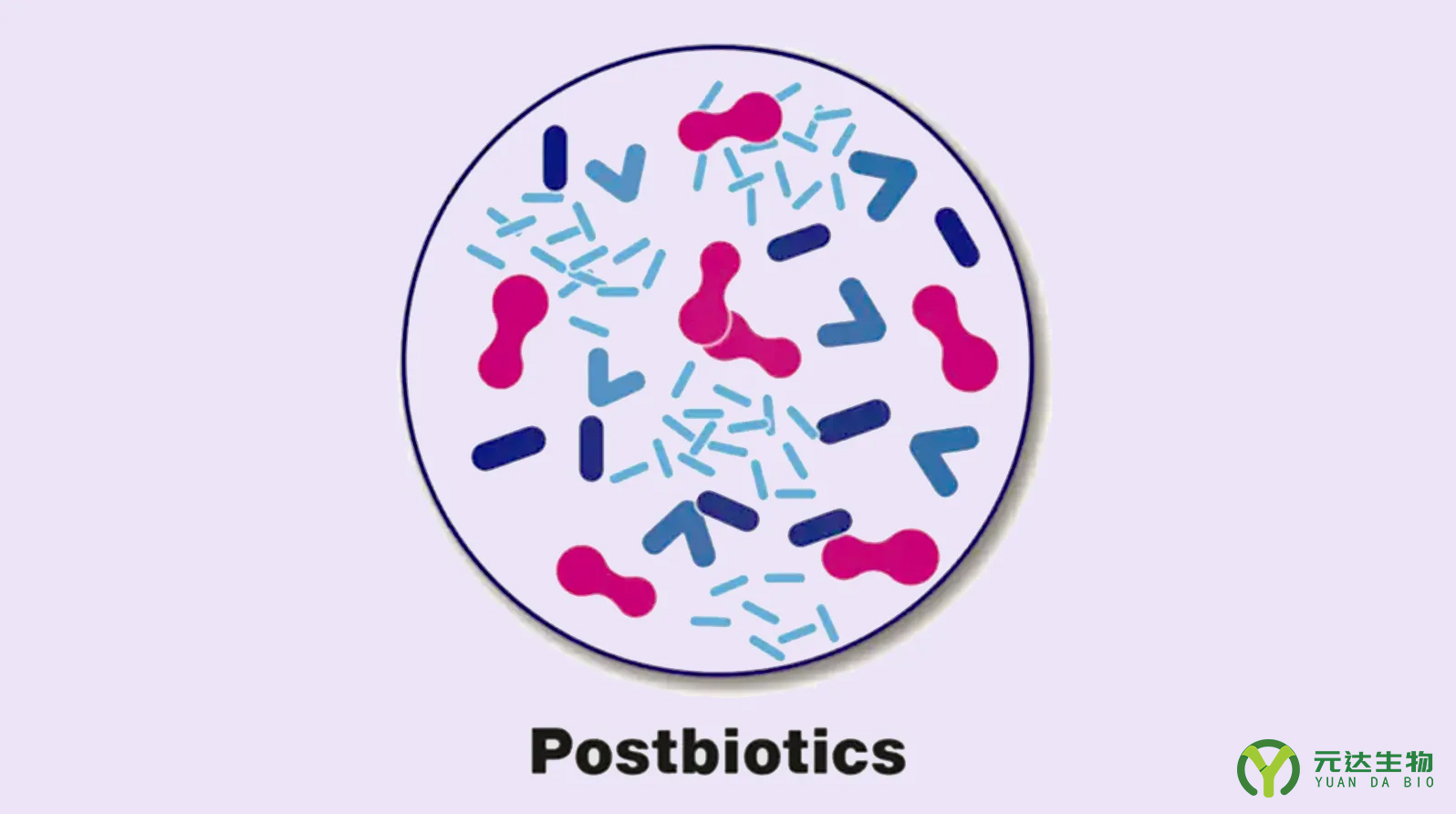
Due to its lifeless nature, the stability and flexibility of prebiotics are superior, making it widely applicable. Although compared to probiotics, prebiotics are far behind in terms of starting time and research quantity, the academic and industrial communities are still fascinated by them. The industry even regards prebiotics as the fourth generation of microbial ecological products after probiotics, prebiotics, and synbiotics.
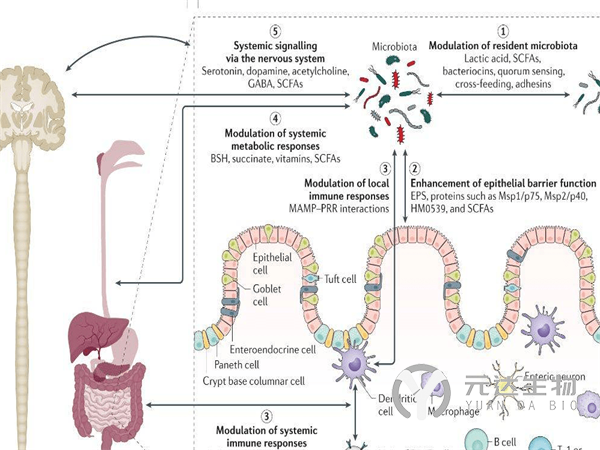
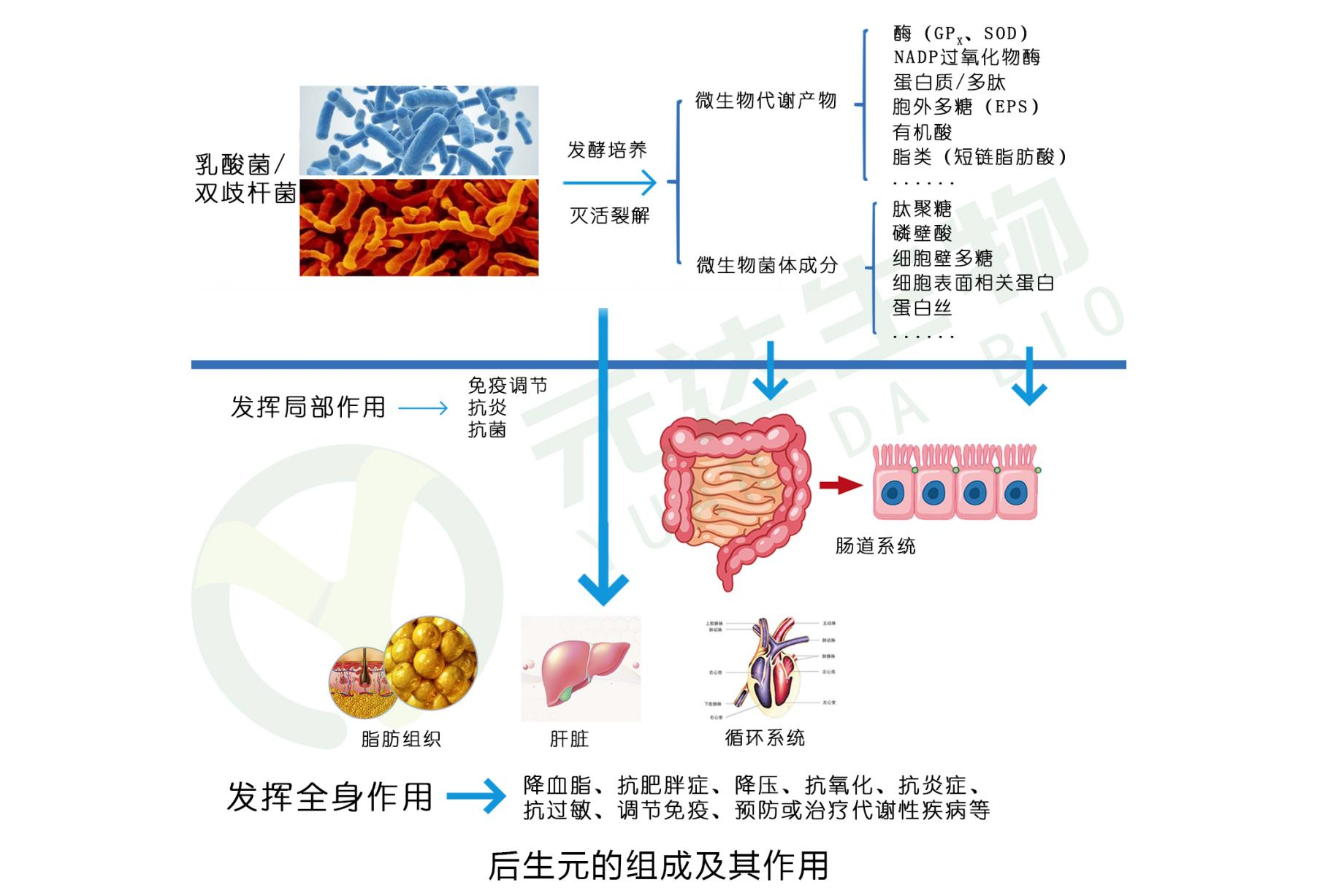
The biggest difference between retrobiotics and probiotics is that probiotics are live, while retrobiotics are dead or their active functional components. Postbiotics contain high concentration and high enrichment components, which have various health benefits for the human body and can be applied in multiple fields. So what is the function of the primordial element? What is its mechanism? Yuanda Biology will conduct in-depth interpretation and the latest research product progress of Yuanda Biology.
In order to promote the construction of a Healthy China and improve the health level of the people, the Central Committee of the Communist Party of China and the State Council jointly issued the "2030 National Plan for a Healthy China" in 2016. In 2020, the Fifth Plenary Session of the 19th Central Committee of the Communist Party of China put forward the major task of "comprehensively promoting the construction of a healthy China". This marks the comprehensive entry of China's development into the "era of great health". Without comprehensive health, there can be no comprehensive prosperity. People's health is a symbol of national strength and prosperity. Accelerating the layout of the entire health industry chain has gradually become a key direction for China's economic development.
Beneficial bacteria, as representatives of positive energy in the intestine, have the following functions: 1. Stimulate the coordinated operation of the body's immune system, improve immunity, and have a coordinating effect on the body's immune system. Therefore, if beneficial bacteria dominate the gut, the wound will heal quickly, even if you catch a cold, and it can enhance your resistance to cancer. 2. To produce vitamins, beneficial bacteria can produce vitamins such as B1, B2, B6, B12, and vitamin K, which can boost energy and aid in beauty. 3. Maintain the acidity of the intestine. Beneficial bacteria can produce lactic acid and acetic acid to maintain the acidity of the intestine. These strong acids have the function of defending against the invasion of viruses and toxins, and preventing infections.
Probiotics have made outstanding contributions to the big health industry. China's probiotic industry started late, and the research on probiotics in China only truly began in the 1990s. In 2017, the market size of China's probiotic industry reached 46 billion yuan, and it is expected to grow to 89.6 billion yuan by 2022, with an average annual growth rate of 14%. It is in a period of rapid growth, slightly higher than the global average, and is currently in a transitional period from the "opening of probiotic industrialization" to the "maturity of probiotic industrialization". Compared to probiotics and prebiotics that have already established a solid and healthy image, research on prebiotics has just begun in China, but the enthusiasm for research remains high. According to the consensus statement released by the International Probiotics and Probiotics Association, prebiotics have become a common term in literature found in PubMed. By 2020, research on extracellular vesicles had far surpassed research on inactivated probiotics.
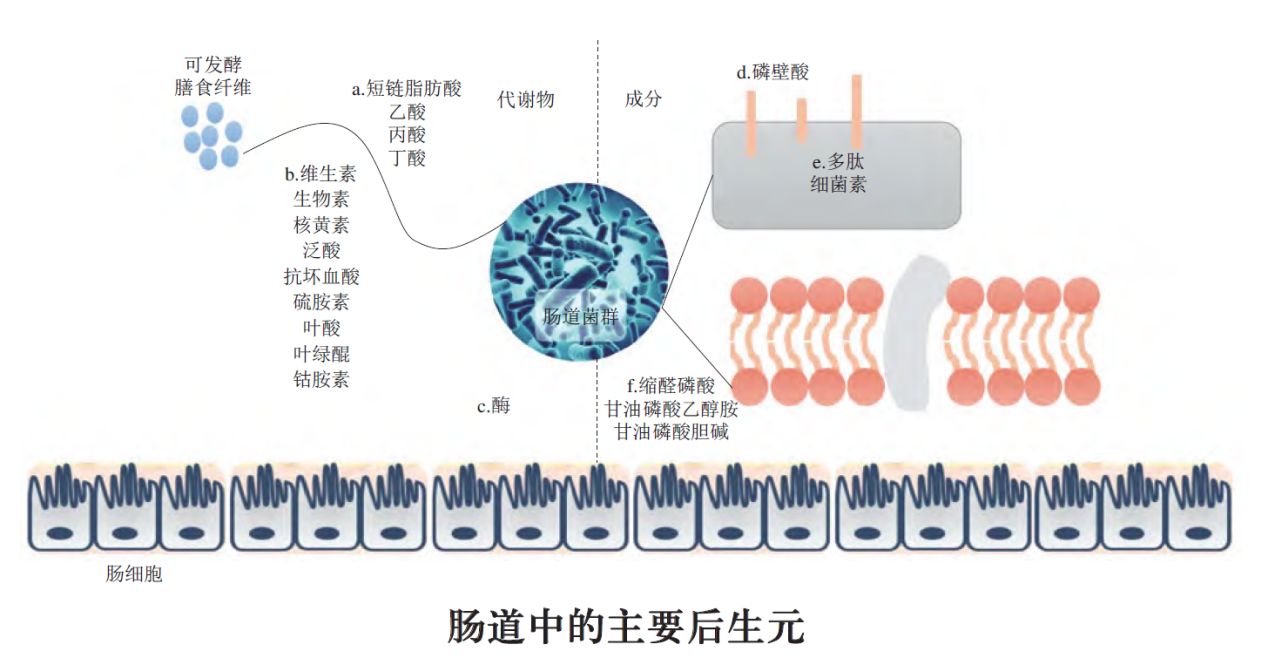
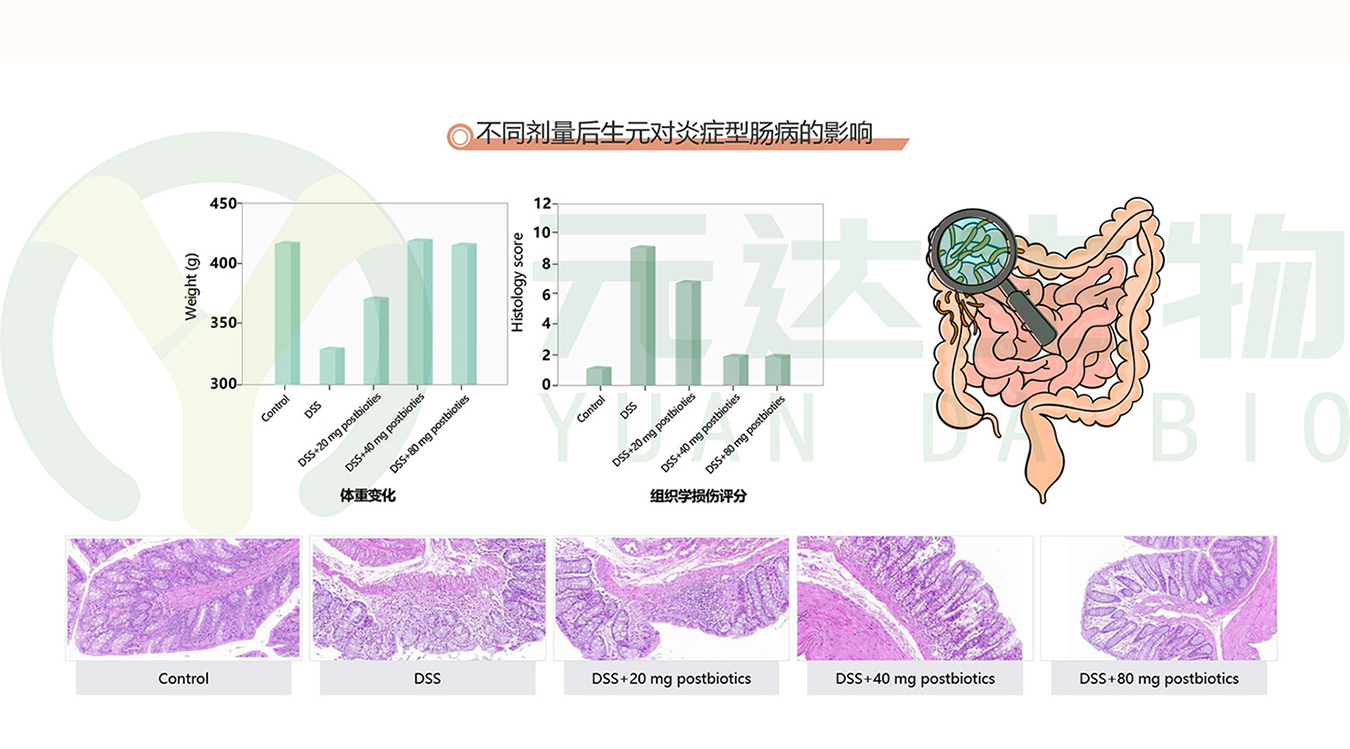
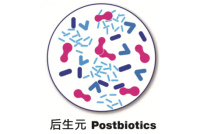
Professor Paul Bertrand, an internationally renowned expert in gut and neuroscience, has stated that in the future, probiotic health will enter the Postbiotics era. We are no longer just focusing on probiotics and prebiotics, but will pay more attention to probiotic behavior or mechanisms. What is the 'killer' of probiotics? In May 2021, the International Society for Probiotics and Prebiotics (ISAPP) issued its first consensus statement on epigenetics: epigenetics are preparations of non living microorganisms and/or their components that are beneficial to host health, not purified microbial metabolites and vaccines. After heat sealing treatment, probiotics have small molecules and can quickly enter the body through the intestinal mucosa, playing a role in enhancing immunity, balancing intestinal flora, and regulating physiological functions.
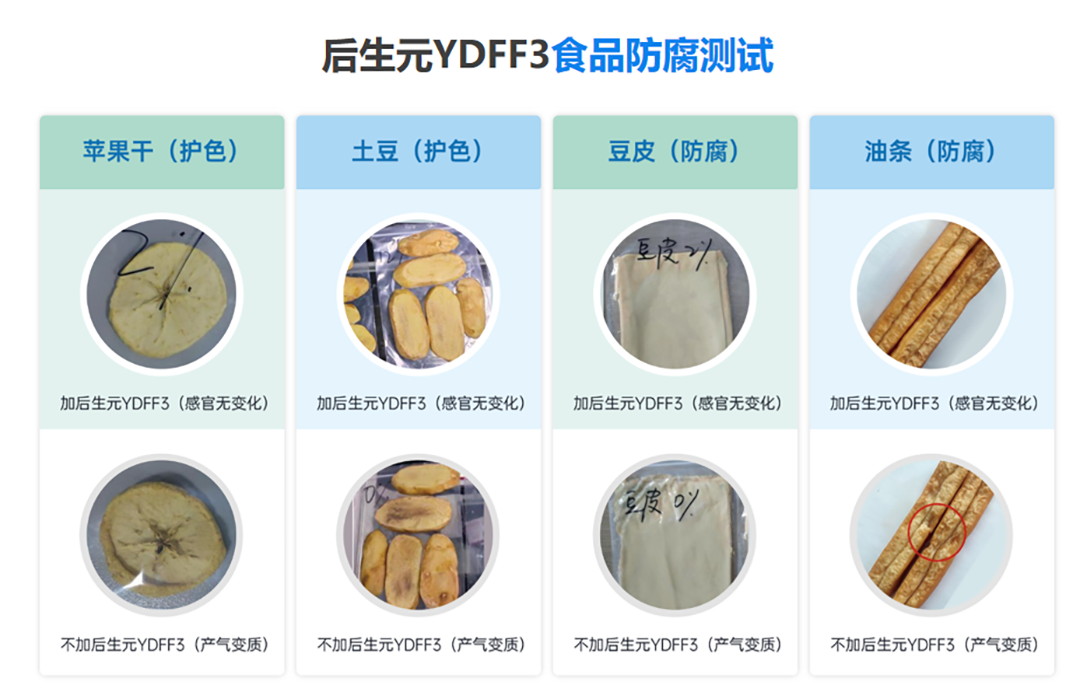
Starting from solving the key problem of green food preservation, Yuanda Biotechnology screened pure milk derived probiotics with high antibacterial activity and prepared YDFF3, a raw material with natural biological preservation effect, to solve the problem of natural biological preservation of food. At the same time, it endowed health effects such as regulating intestinal microbiota balance, improving immunity, and assisting in the treatment of gastrointestinal diseases, achieving the dual effects of "natural green preservation" and "functionality". YDDFF3 is natural, efficient, safe, stable, and resistant to high temperatures, without affecting the original sensory perception of food. It has a wide pH range and high acid and alkali tolerance (it can work at pH 2-10). The application scenarios are very wide, and can be added to different types of food such as milk and dairy products, compound seasonings, cooked meat and seafood, pickled vegetables, beverages, baked goods, functional health products, etc
The most effective medication is the human immune system, "said Zhang Wenhong, director of the infectious disease department at Huashan Hospital, in an interview. Academicians Zhong Nanshan and Zhang Boli also appealed to the public to actively respond to COVID-19 by improving their immunity. The immune system is equivalent to the human body's "defense force", which can resist external viruses and bacteria, thus protecting our body. Enhancing immunity can improve physical fitness, increase resistance to viruses, and also play a role in preventing diseases. Do you know where most of the body's immunity comes from?

Therefore, some researchers at home and abroad have begun to pay attention to whether supplementing beneficial microorganisms can regulate gut microbiota health and target the care of stomach health, thereby improving gastrointestinal pain and discomfort caused by emotions such as depression and anxiety, and improving overall health?

Official Account

Sina Weibo

Tiktok